Stickers, Labels and Decals: What Is the Difference?
Understand how stickers, product labels and decals are commonly used so you can choose the right format for your project.
Sticker, label and decal are often used interchangeably because all three describe printed adhesive graphics. The practical difference is usually the job they perform, their expected life and the surface they are made for—not a universal manufacturing rule.
Stickers focus on identity or decoration
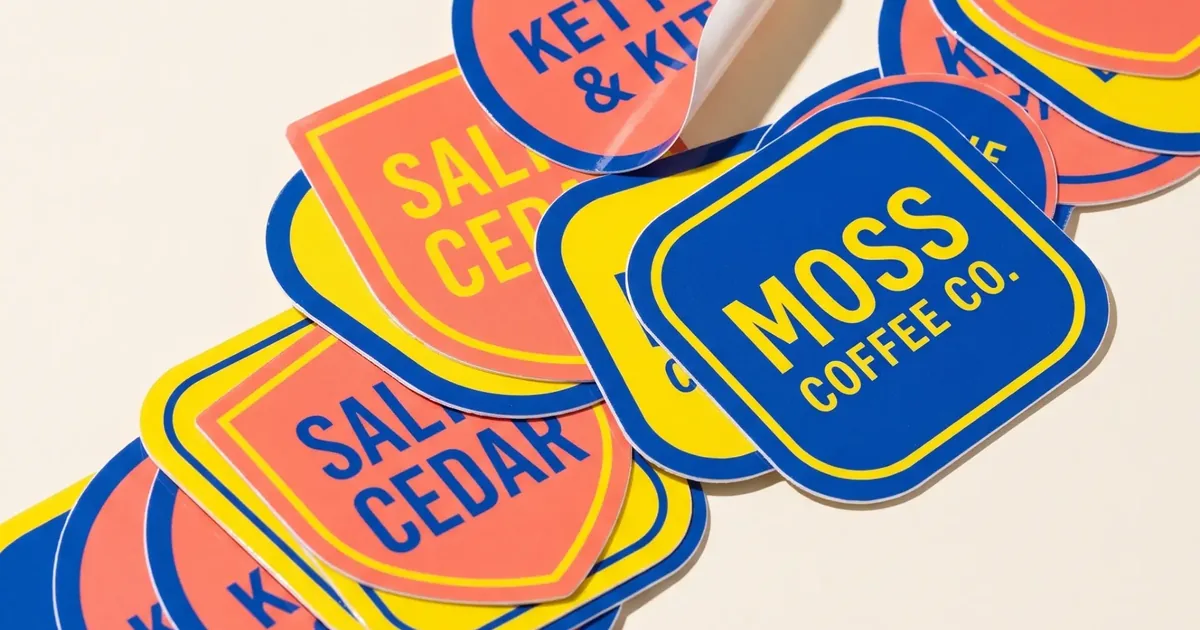
A sticker may carry a logo, illustration, message or campaign idea. It can be added to packaging, handed out at events or used on personal items. Creative shape and finish often play a larger role because the sticker is designed to be noticed or kept.
Labels organise product information
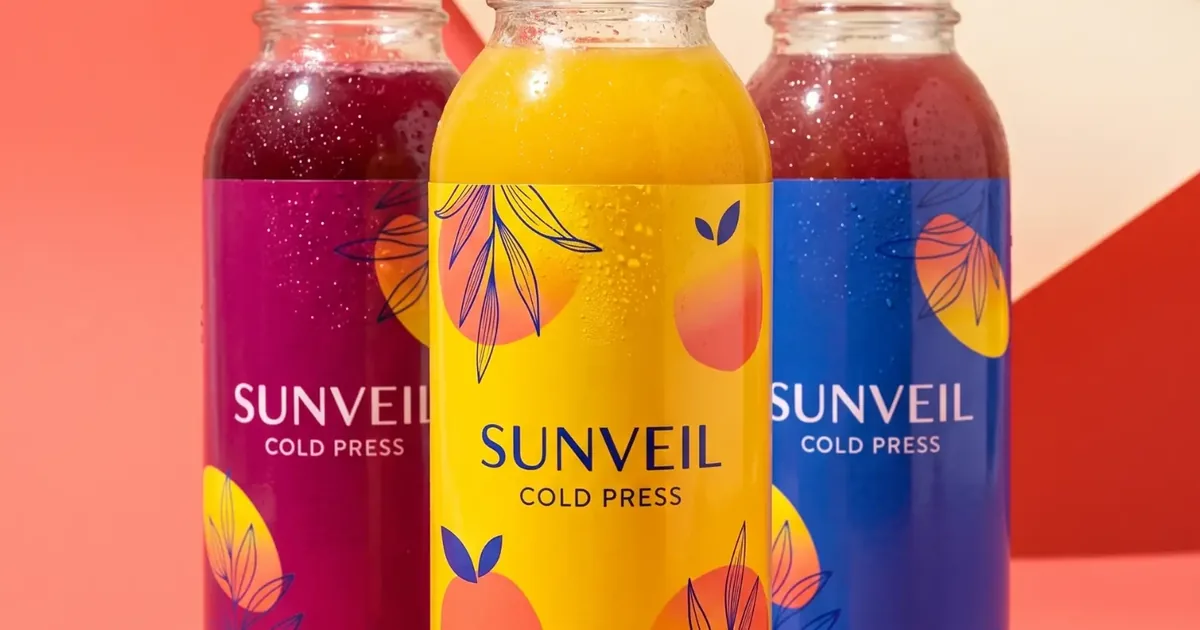
A label is normally connected to a product or package. It may identify the flavour or variant, show instructions, carry a barcode or present other information the business needs to communicate. Readability, repeatability and fit on the container are central.
- Front product labels
- Back information labels
- Bottle and jar labels
- Box seals
- Batch, barcode or variant labels
Decals are associated with longer display
The word decal is frequently used for graphics applied to windows, walls, vehicles or equipment. Buyers often expect a decal to be larger or remain in place for longer, although the exact material and adhesive still determine how it performs.
Order by requirement, not terminology
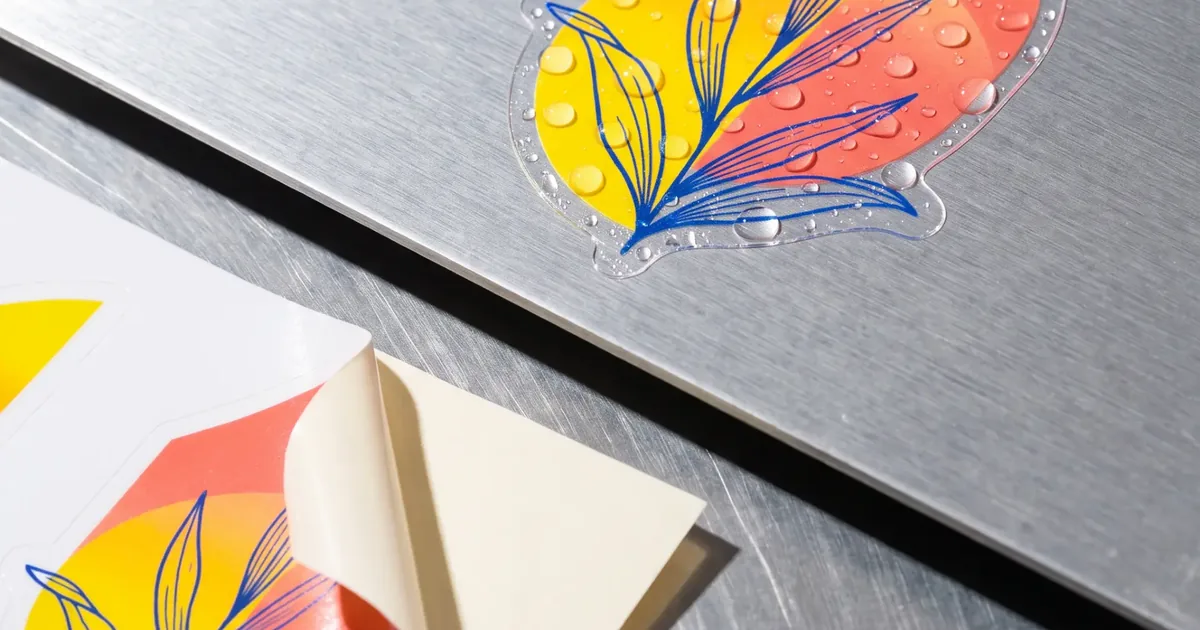
Tell the printer where the piece will go, its size, whether it may face moisture and how long it should remain there. Those facts are more useful than the name alone. In StickerWali's configurator, shape, material, finish and dimensions define the product you receive.